7 Steps to Raise Laying Hens at Home for a Business
Learn how to raise laying hens at home for profit in seven steps, from day-old chicks and flock size to land, coop, hygiene, feed and vitamins.

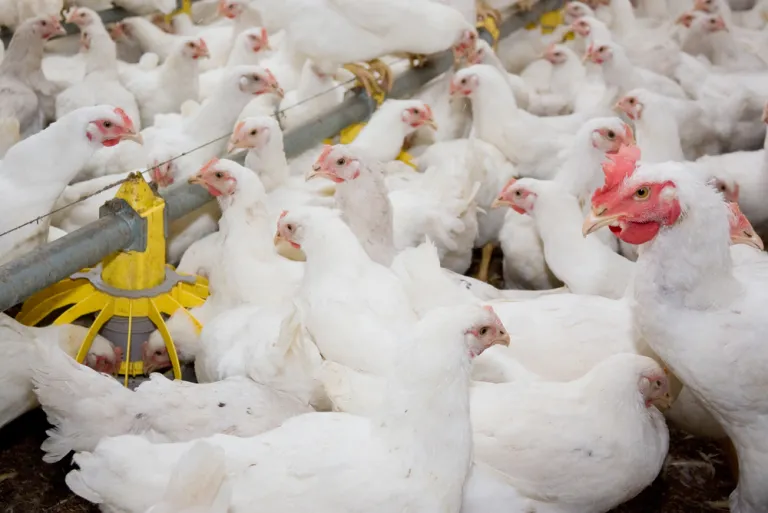
Raising laying hens as a business doesn't require renting expensive land. Chickens can be kept at home, with the house grounds serving as the coop and the place of business. Home-scale keeping is recommended for beginners who haven't yet gained much experience in livestock farming. With a small area, if the results fall short of expectations, only a small loss is taken. If the chickens are raised on a large plot, the loss would naturally be bigger. If you are interested in a home-based laying hen business, here is how to start:
Contents
Prepare Quality Day-Old Chicks (DOC)
The first thing to prepare for a home-scale laying hen business is quality day-old chicks (DOC). The quality of the chicks largely determines whether the venture succeeds. This matters not only at home scale but also at large or industrial scale. To find quality chicks, buy from a large farm that regularly sells top-quality DOC.
Read also: 5 Proper Ways to Raise Laying Hens Without a Coop
Decide How Many Chicks to Buy
Because this is only home scale, the number of chicks won't match an industrial flock. For home scale, it should be no fewer than 100. Below that, the farmer risks losing money, because not every chick will make it to harvest. Some chicks don't survive and die.
Measure Your Land
The next step is to measure the land you have. Measuring determines how many chickens you can keep. If your estimate shows the land is not enough for your target number of chickens, you should drop the idea of running a home laying hen business. For personal consumption, though, it is perfectly fine, because profit or loss doesn't matter when the eggs will only cover your own needs.
The Coop
The coop and its management are very important in chicken farming, because an unsuitable coop reduces productivity. At home scale, use a quality coop to keep the home environment sterile and free of germs and disease. If you have a dedicated plot for a laying hen farm, a standard-quality coop will do.
Keep the Coop Clean
The next step in home laying hen farming is to always keep the coop clean. Clean the coop area regularly so that it doesn't smell. A clean coop is the key to success in raising chickens, so don't be lazy about cleaning it.
Feed and Water
Most of the cost of raising laying hens goes to feed. To keep costs from ballooning, feed management is essential. You need to know how to hold feed costs down without reducing the hens' productivity. As for drinking water, remember to replace it every day.
Vitamins
Vitamins are very important for both laying hens and broilers (chickens raised for meat). Because their resistance to disease is low, laying hens must be given vitamins regularly. Also remember to give the full set of vaccinations, because some deadly diseases can't be treated but can be prevented with vaccines.
Read also: 4 Tips for Raising Free-Range Native Chickens (Ayam Kampung) the Right Way
Home-scale laying hen farming suits business beginners. Once a home flock is successful, though, you should scale it up to industrial level so the business grows faster.