Raising Free-Range Chickens: 4 Tips for Native Ayam Kampung
Raising free-range chickens takes the right coop, genuine stock, proper feed and regular vaccines. Four tips for keeping native ayam kampung profitably.

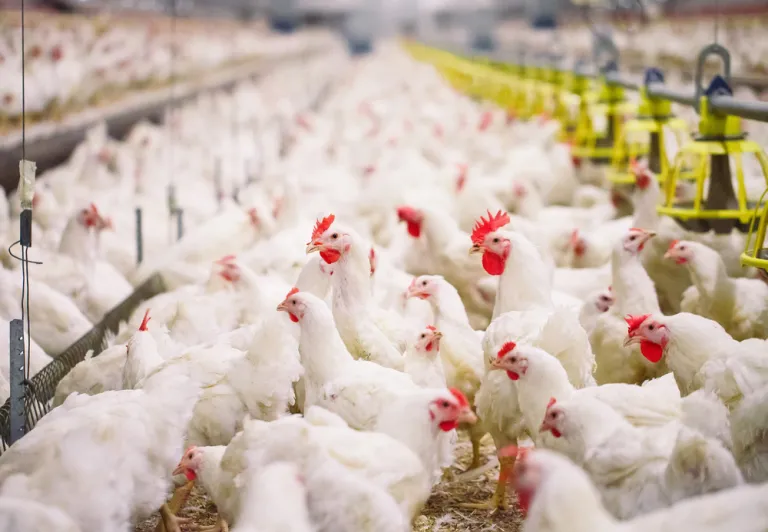
Ayam kampung, the free-range native chicken, is the type most widely kept by people, especially in rural areas. A large yard keeps these birds healthier, because ayam kampung cannot stay in a cage all the time. The meat and the eggs are what you can make use of. The meat can be turned into all kinds of tasty dishes, while the eggs are high in protein and iron, which makes them very good for your health. That is why the outlook for raising ayam kampung looks so appealing. To turn a profit, you need to know how to raise chickens properly. Here is how to raise ayam kampung the right way:
The Coop
One of the keys to success in raising chickens is the coop, and every type of chicken has its own ideal one. For ayam kampung, the coop you can build is a semi-intensive one. An example of a semi-intensive coop is a large yard with a tall fence all the way around it. These chickens can fly, although not as high as a bird, so build a fence they cannot reach over. You also need to provide, at some point in the yard, a coop where they can take shelter. This coop is usually made of bamboo put together in a suitable way, with a warm nesting box inside so the chickens do not get cold. Remember that when raising chickens you must have a free-range area, because without one ayam kampung become unhealthy and prone to disease.
Read also: 6 Proven Ways to Raise Broiler Chickens for a Fast Harvest
Genuine Ayam Kampung Stock
If you are raising chickens for the first time, use stock that is truly genuine. Some farmers crossbreed ayam kampung with broilers, and the resulting stock is then called semi-intensive. Genuine ayam kampung stock is recognizable by feathers in a variety of colors, especially on the back and wings. Some stock is dominated by black, or is cream with brown or black wings. Crossbred stock, on the other hand, has smooth, evenly colored feathers, such as cream over the whole body. As the wings grow wider and larger, the wings of the crossbred chicks turn white with a slightly brownish tint.
Chicken Feed
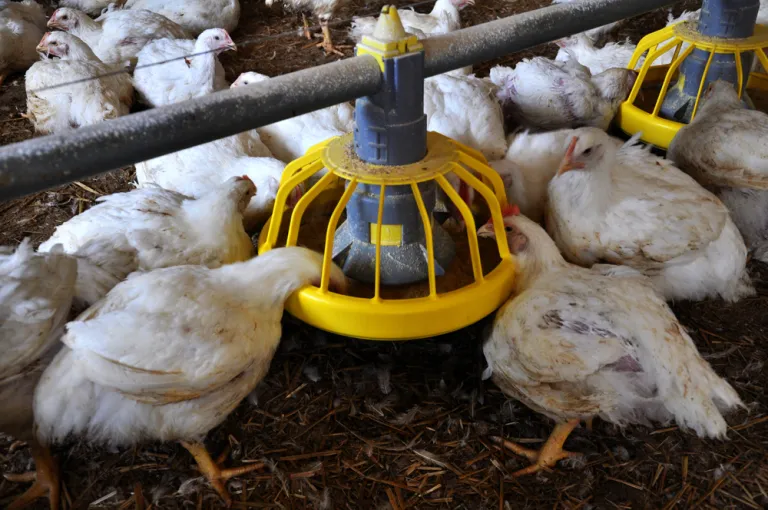
Feed is one of the keys to success in raising chickens. You must give feed that suits the type of chicken. Broilers, for example, eat differently from ayam kampung. For ayam kampung you can give natural feed, leftover rice, commercial feed, corn or flour-based feed. Feeding should be matched to the laying stage of the chickens: for birds that are not yet laying you can give flour-based feed, while for birds that have started laying you can give feed rich in protein and calories. To keep the chickens from falling ill easily, never give them spoiled leftovers, because they will quickly get diarrhea and digestive problems.
Vaccination and Vitamins
Good ayam kampung raising includes giving vaccines and vitamins regularly. Vitamins are very important for boosting the chickens' immunity, and vaccines protect ayam kampung from many kinds of disease. Even though ayam kampung have a good immune system, vaccines are still needed to keep disease away.
If you want to get into a chicken business with a low risk of mortality, choose ayam kampung. They have a more stable immune system than broilers. Follow the methods described above for raising ayam kampung to make a profit.
Read also: 5 Steps to Raising Laying Hens Without Cages the Right Way