Chicken Carcass Guide: What It Is and How to Spot a Good One
Learn what a chicken carcass is, how it is processed, the signs of a good carcass and the signs of spoilage, a must-know for anyone selling poultry.

Chicken carcasses are widely sold today and in strong demand. The meat is convenient to cook and works in a great many dishes, so plenty of home cooks choose it. With so many appetizing chicken dishes around, poultry farmers can count on attractive profits. If you want a business with good prospects, the chicken carcass trade is a strong choice. To run it, you need to recognize a proper carcass in good condition. Otherwise your business will not go as planned or hoped. The following information will help you recognize a proper chicken carcass:
Contents
What Is a Chicken Carcass?
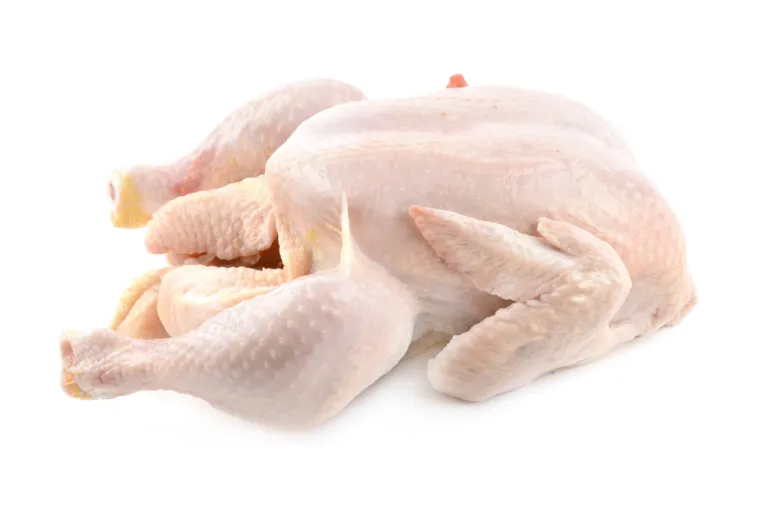
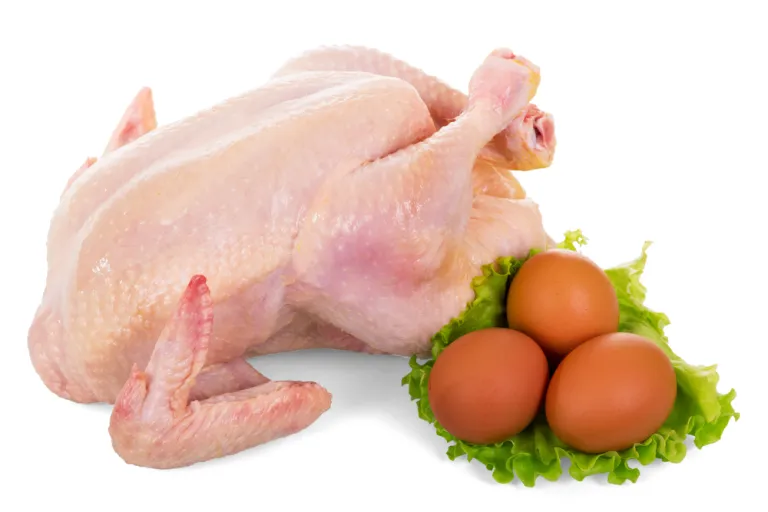
Before going further, it helps to know what a chicken carcass is. A chicken carcass is chicken that has been plucked and stripped of its innards, head, feet and so on. Because so much has been removed, a carcass weighs less than a live chicken. That is why live chicken sells for much less than carcass chicken. Do not be surprised that, at the same weight, carcass chicken is far more expensive than live chicken.
Read also: 6 Proven Ways to Raise Broiler Chickens for a Fast Harvest
How a Chicken Carcass Is Made
Turning a live chicken into a carcass takes a series of steps, and these steps are why carcass chicken costs so much more. The live chicken is slaughtered using the correct method and procedure, and once it is dead, the innards are removed. The innards are not thrown away but sold separately, since they can be put to use. The feathers can be used for crafts or decorations. The feet and head are sold separately as well. So no part of the chicken goes to waste.
Signs of a Good Carcass
To keep your business running smoothly, you need to recognize the signs of a good carcass. A good carcass has dense meat that is not mushy and is still springy. The fat is spread under the skin and is clearly visible, covering the whole carcass. A healthy carcass has intact skin, with no bruises on the surface, no scratches and no burst blood vessels. A good carcass also has no broken bones. If a bone is broken, the chicken most likely died in an abnormal way.
Chicken Carcass Spoilage
To recognize a proper chicken carcass, you also need to know what a spoiled one looks like. Businesses must watch for this so they do not unknowingly sell carcasses in poor condition. Spoiled carcass meat has changed color, smells rotten and feels mushy. Spoilage can result from leaving the carcass at room temperature for too long, exposure to chemicals and other causes. Once a carcass is in poor condition, the meat turns mushy easily and falls apart when pressed.
Read also: 7 Ways to Raise Laying Hens at Home for Business
Anyone planning to go into the chicken carcass trade needs to know the meat and its ins and outs well. Recognizing a proper chicken carcass means knowing what a chicken carcass is, what a good one looks like, and what spoiled meat looks like.