Raising Laying Hens Without Cages: 5 Steps to Do It Right
Raising cage-free laying hens cuts start-up costs. Learn the five steps: ample land, shared feeders, even feeding, sturdy fencing and a safe night shelter.

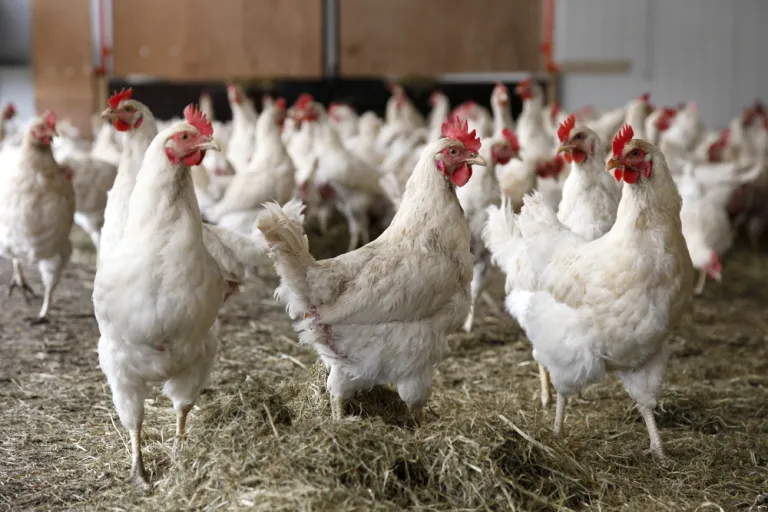
Raising laying hens without cages may sound unfamiliar. Yet a few farmers are now starting to use this system to earn even bigger profits. As is well known, building or buying cages for laying hens takes a lot of money, especially for modern types, so farmers who want to get into the egg business must bear a large amount of start-up capital. Without cages, the capital needed is naturally smaller. So what does raising laying hens without cages look like? Here is how to do it right:
Contents
A Large Plot of Land
The first step is to prepare a large plot of land. Plenty of space is the key to success, because it will serve as the free-range area for the hens. A cage-free setup has the advantage of being healthier than one with cages. In addition, the rate at which disease spreads is far lower among hens that roam than among hens kept in cages all the time. Laying hens are also very prone to stress, and letting them roam keeps their stress levels down. The more land you have, the better, since the hens will feel as if they are in the wild rather than on a farm. Even so, farmers must still match the number of hens to the size of the land so the birds are not crowded together.
The Right Feeding Area and Feed
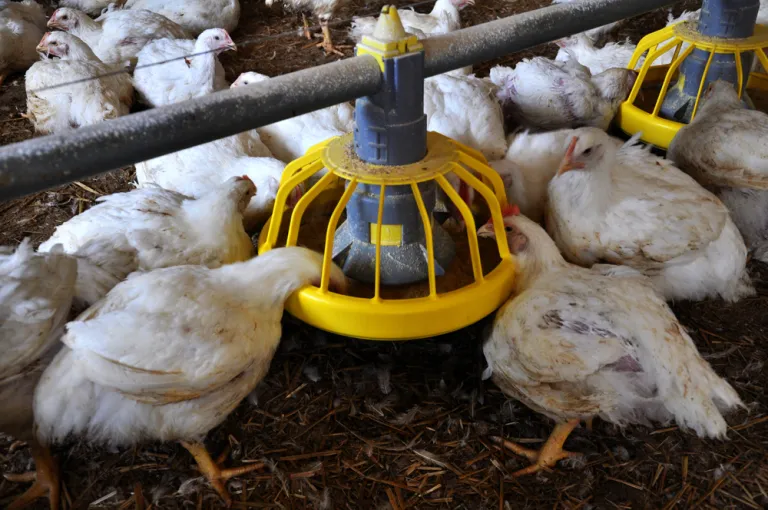
The next step in raising laying hens without cages is to provide the right feeding area along with the right feed. Feeders should not be individual but shared. Long feeders are strongly recommended here, so that the hens can eat together in the free-range area. The right feed for laying hens is high in calories and protein, which are very good for their growth and productivity.
Read also: Raising Free-Range Chickens: 4 Tips for Native Ayam Kampung
Even Distribution of Feed
A common problem with chickens raised without cages is making sure the feed reaches all of them evenly. Farmers must watch while the hens are fed, because uneven feeding can make the hens grow unevenly too. Feeding needs to be supervised so that the hens do not turn to cannibalism or fight over the feed.
Fencing
Even when the hens are kept in a free-range area, the farmer must put up a fence so they do not wander off the farm. Some hens go too far from the free-range area because no fence was provided. The fence must be tall and run all the way around the free-range area.
A Place to Shelter
At night the hens cannot stay directly on the ground, so they need a place to shelter, especially after dark. Letting hens sleep outdoors has a downside: supervision is poor at night, and attacks by other animals can happen. During the rainy season, as it is now, this technique is not recommended either, because the ideal shelter for hens in the rainy season is inside a coop with light and a heat source.
Every technique for raising chickens has its strengths and weaknesses, so farmers have to be smart about choosing the right one. The same goes for raising laying hens without cages: farmers need to analyze the benefits and drawbacks of using this technique on their own land.
Read also: 6 Proven Ways to Raise Broiler Chickens for a Fast Harvest