7 Innovative Ways to Improve Chicken Carcass Quality
Chicken carcass quality drives sales and loyalty. Here are seven practical ways to improve it, from calming birds before slaughter to safe distribution.

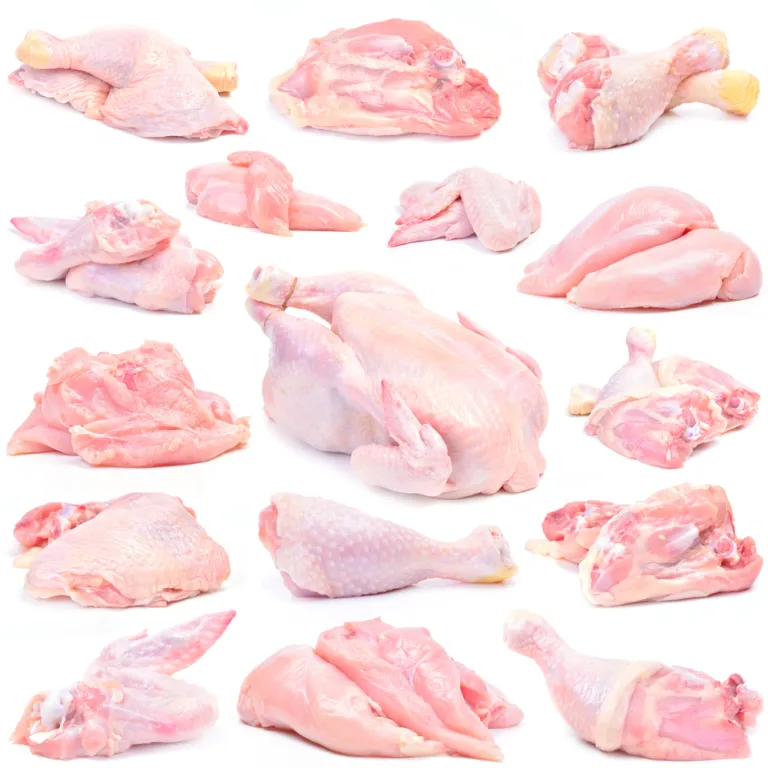
Chicken carcasses sold to the market must be of high quality. Poor quality hurts both the consumer and the poultry business itself. The reason is simple: if the carcass meat on sale is substandard, buyers will look for another supplier or seller, and revenue drops. The reverse is also true. When carcass quality is good, the farmer's income rises, because today's consumers are savvy about the food they choose, including the meat they eat. Improving carcass quality is therefore essential for anyone in the chicken or carcass business. Here are several innovative ways to improve chicken carcass quality:
Contents
Keep Chickens From Getting Stressed
The first innovative way to improve chicken carcass quality is to keep the birds from getting stressed. Stressed chickens produce lower-quality carcasses. A chicken that is stressed at slaughter also has lower meat acidity, which lets microbes and bacteria multiply in the carcass meat. The meat then spoils easily when left at room temperature, and within 8 hours its texture changes and the carcass is no longer good meat. Stressed chickens also cause more damage to the carcass because their movements become uncontrolled.
Let the Chickens Rest Before Slaughter
To keep chickens from getting stressed and to improve carcass quality, let them rest before slaughter. Do not slaughter a chicken suddenly. Carcass producers can separate the birds that are about to be slaughtered from the others so that the surroundings are calmer.
Hang the Carcass
After slaughter, hang the carcass right away to keep its quality high. This lets the blood drain quickly and thoroughly. Carcass meat that holds too much blood causes big losses, because microorganisms can grow and multiply rapidly in it and the meat spoils easily.
Slaughter Properly
Blood drains quickly when the slaughter technique is right. To make a proper cut, carcass producers should cut the correct blood vessels. A wrong cut keeps the blood from draining quickly.
Remove the Feathers Properly
Once the chicken has been slaughtered and all the blood has drained, the next way to improve carcass quality is to remove the feathers properly. The cleaner the carcass is of feathers, the better, because many households do not want the hassle of cleaning off feathers again.
Safe Distribution
If a carcass business has many resellers, the distribution of the carcass meat must be kept safe. The aim is for the carcasses to reach resellers still in good condition. Do not let microbes grow and multiply in the meat and make it spoil during distribution.
Prevent Bruising on the Chickens
High-quality carcass meat is easy to recognize. What often lowers carcass quality is bruising on the birds that will become carcasses. Bruises form easily on the thighs and breast. If the producer is not careful, bruises are easy to cause, and they create a negative impression among consumers. Bruised carcass meat is associated with improper slaughter.
Customer satisfaction is vital in business. For carcass businesses, the way to keep customers and resellers satisfied is to supply high-quality carcass meat. By applying the innovative ways to improve chicken carcass quality listed above, carcass producers can deliver the high-quality meat that consumers want.