Teeth Whitening: 5 Things to Know Before You Bleach
Thinking about teeth whitening? Check these five points first, from age and fillings to allergies and side effects, before you book a bleaching session.

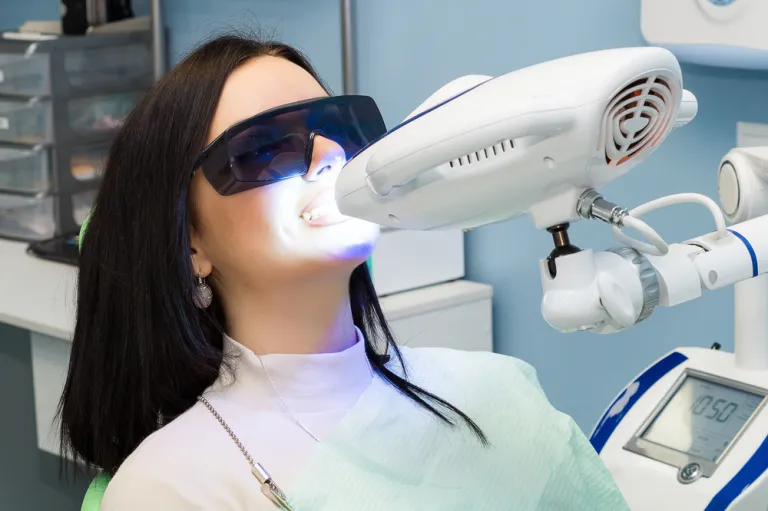
Before you do anything, it pays to know the good and the bad of it first. There are also several points to think over carefully, so that nothing unwanted or unexpected happens because the information you had was unclear or incomplete. The same goes for teeth bleaching. Bleaching is a technique for whitening teeth, using either a laser or a special agent applied to the tooth enamel. To reach the shade you want, bleaching usually has to be repeated several times rather than done just once. If you are interested in teeth bleaching, consider the following points first:
Age
The first thing to consider is age. Unlike braces, which people of many ages can have, teeth bleaching is not suitable for everyone. It is strongly discouraged for children and teenagers. In young people the pulp, which holds the nerves, is still very large, so the pulp and blood vessels are prone to damage.
Patients With Certain Conditions
Patients with certain conditions are especially vulnerable and are advised against teeth bleaching. Teeth whitening clinics in Jakarta and other dental clinics will turn away patients with severe fluorosis, enamel hypoplasia or amelogenesis imperfecta. These patients suffer severe enamel erosion. If the enamel is already eroded, bleaching is likely to damage both the hard and the soft tissues of the tooth.
Read also: When Is the Right Time to See a Dentist?
Too Many Fillings
A specialist dentist will not recommend bleaching for patients with a history of fillings or restorations. For these patients, the bleaching agent can seep in through the filling and damage the hard and soft tissues.
Allergies
If you have an allergy, you will be advised against teeth bleaching. The allergy in question is a peroxide allergy. It should not be taken lightly, because it can cause hives, breathing problems, blistering and more.
Side Effects
Every procedure has side effects. To minimize them, have your teeth bleached at a credible, trustworthy dental clinic. All bleaching procedures there follow medical SOPs (standard operating procedures), which makes them safer. Non-professional practitioners, by contrast, work without clear SOPs. Here are the side effects of bleaching by non-professionals that you should watch for:
- Sensitivity
The first side effect is more sensitive teeth. When teeth meet something cold, they can ache because the peroxide has reached other tooth tissue. This happens more often to patients who have bleaching done by unlicensed tooth technicians or at clinics that are not credible and trustworthy.
- Pain
Bleaching by non-professionals can cause severe pain. It can appear about 24 to 48 hours after the procedure, and how long it lasts varies with each person's teeth.
- Short-lived results
A common risk is that the teeth turn yellow again quickly, so the results do not last. That is because non-professionals do not follow SOPs that meet medical standards, and you end up paying extra to have the teeth bleached again.
Never use a shady teeth bleaching service, because it puts your teeth at risk. Choose a service that is truly credible and trustworthy and holds an official license.
Read also: How Dental Veneers Are Fitted and Cared For