4 Gout Symptoms in Children That Parents Should Watch For
Gout symptoms in children include joint pain, swelling, heat and hard lumps. Learn the warning signs, the risk factors and why massage makes it worse.

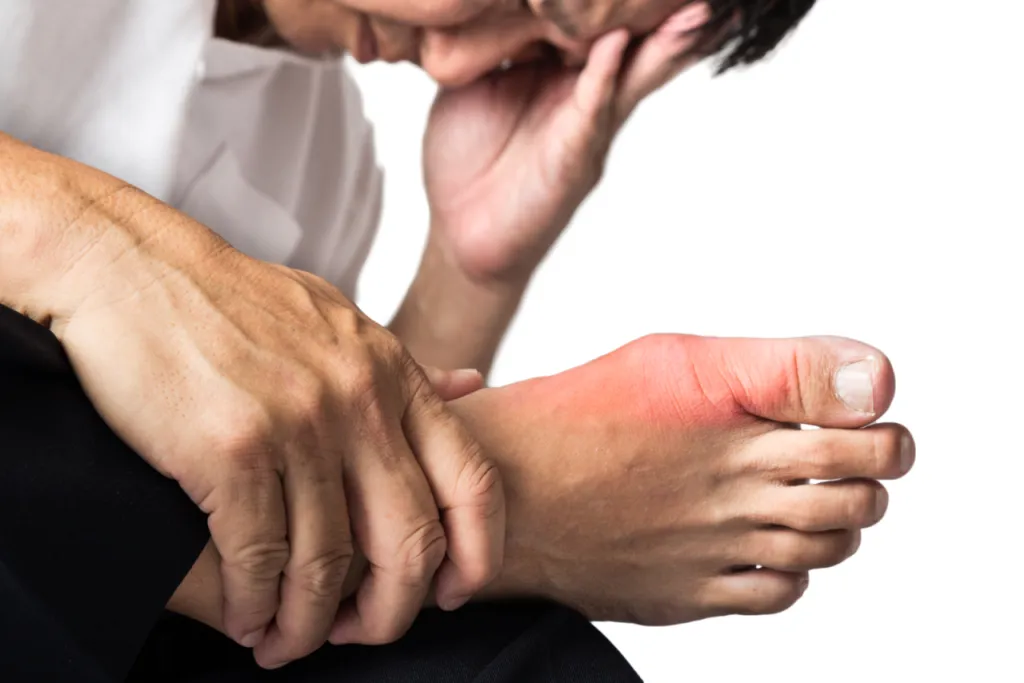
The way to find out whether someone has gout (the disease caused by high uric acid) or is showing gout symptoms is a blood test. It checks whether the uric acid level in the body is normal or above the threshold. But even before a blood test, gout already shows some signs, and the most prominent ones are in the feet. When it becomes severe, gout causes severe, unbearable pain. It often causes swelling as well. Not only the feet but also the joints are a target of this disease.
Over time, gout no longer affects only older people and adults. Teenagers and even children can get it too. If you as a parent have gout, your child's risk is quite real, because it is a hereditary disease, like diabetes. That is hard on a child, who should be playing actively with friends and taking part in lessons at school but instead finds movement limited by gout. So as a parent, you need to know the symptoms of gout that can strike a child at any time. Read on for the gout symptoms in children that parents must watch for:
Contents
Pain
The first gout symptom in children is pain. It is caused by purines building up in the child's joints. Many parents still don't believe children can get gout, so when a child complains of joint pain, they assume the child is just tired, too active, or has a problem with the muscles. As a result, the pain is not handled properly.
Swelling
The next important gout symptom in children is swelling. It is caused by inflammation and joint pain brought on by that same purine buildup. When this happens, it is very important for parents to know the right way to handle it. Wrong handling only makes the child's gout worse. Some parents think the swelling comes from a sprain and massage it. But gout must not be massaged, because it makes the swelling worse. It can even damage the joint further. So if a child has a swollen, red joint, have the child's uric acid checked right away. If the level is not normal, the child has gout.
Read also: Foods to Avoid When You Have Gout Symptoms
Heat
The next gout symptom in children to know is a feeling of heat. Be alert if a child's feet or joints feel hot at certain times, because what the child is experiencing may be a symptom of gout. If the symptoms keep recurring, have the child checked promptly to find out whether it is gout or another condition.
Lumps
If gout becomes severe, sufferers, children included, will develop lumps in the joints. These are hardened crystals of purine. Once the crystals form, the joint becomes hard to move.
Risk Factors in Children
Several risk factors make children prone to gout. Parents should know them so their children can avoid the disease. The first cause of early-onset gout is genetics. It can be inherited from both parents or from just one. In addition, if the child's grandparents have a history of gout, the child's health should be checked regularly. Children with obesity are also at higher risk, because an unhealthy lifestyle makes purines more likely to build up in the body. Boys are also at higher risk of gout than girls.
To give children a better quality of life, it is important for parents to practice healthy living. A healthy lifestyle helps children avoid gout. If you notice any of the gout symptoms above in your child, see a doctor right away for a further health examination. For more current health information, see the health articles category on indonesiaartikel.com.