Mining Batching Plants: Their Role in Mine Land Reclamation
A mining batching plant supports mine reclamation with high-quality concrete for retaining walls, drainage, erosion control and long-term structures.

Contents
The mining industry contributes significantly to the global economy, but it often leaves a heavy environmental footprint, such as damaged land and degraded soil. Mine reclamation is therefore vital to restore land that has been disturbed and return it to use. One of the main components of mine reclamation is the use of concrete produced by a batching plant. In this article, we look at the role of a mining batching plant in mine reclamation and how this technology can support environmental recovery and the sustainability of the mining industry.
What Is Mine Reclamation?
Mine reclamation is the process of restoring former mining land so it can be used again for other purposes, such as farming, housing or even ecotourism. The process involves many steps, from erosion control and vegetation recovery to repairing degraded soil structure. The main goal of reclamation is to restore the balance of the ecosystem and prevent further damage to the surrounding environment.
Mine reclamation is not an easy task, though. It takes the right technology and materials to succeed over the long term. One technology that helps greatly is the batching plant.
What Is a Batching Plant?
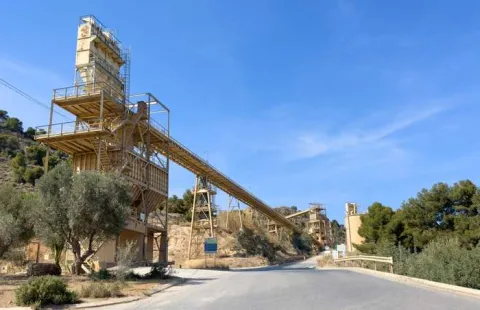
A batching plant is a facility that mixes concrete ingredients (cement, sand, gravel, water and other additives) in exact proportions to produce ready-to-use concrete. In mine reclamation, a batching plant produces the concrete used in many applications, such as retaining walls, structural reinforcement and other infrastructure that reclamation requires.
The Role of a Batching Plant in Mine Reclamation
Mine reclamation often involves building stable structures to prevent erosion and landslides. Concrete from a batching plant plays a very important role in creating these structures, which support the long-term success of the reclamation project. Here are the main roles of a batching plant in mine reclamation:
1. Building Soil-Retaining Structures
One of the biggest challenges in mine reclamation is preventing erosion and soil movement. Eroded soil can cause landslides, which can damage plants and nearby infrastructure. A batching plant produces the concrete used to build soil-retaining structures such as retaining walls, embankments (talud) and foundations that help stabilize slopes and prevent soil movement.
Uses:
-
Preventing Erosion: Retaining structures made of concrete can hold loose soil in place and reduce water flow that would cause further erosion.
-
Stabilizing Slopes: The concrete used in retaining walls stabilizes steep slopes, preventing soil movement that could cause further damage.
2. Building Drainage Infrastructure
A good drainage system is essential in mine reclamation to manage rainwater and prevent standing water that can damage the soil structure. A batching plant supplies the concrete to build drainage channels, retention ponds and other water conveyance systems. These systems are designed to carry water away efficiently and reduce the risk of flooding that could worsen damage to the land.
Uses:
-
Managing Water Flow: Concrete used to build drainage channels helps direct rainwater in a controlled way, reducing the potential for soil erosion.
-
Preventing Standing Water: Proper drainage channels prevent water from pooling, which can leave the soil saturated and prone to landslides.
3. Land Rehabilitation With Eco-Friendly Concrete
Many modern batching plants now come with environmentally friendly technology, such as water recycling systems and greener additives. In mine reclamation, eco-friendly concrete is important for minimizing negative effects on the ecosystem. Concrete that contains recycled materials, such as fly ash or slag, can be used to improve soil structure and reduce the carbon footprint of the reclamation project.
Uses:
-
Reducing Environmental Impact: Using recycled materials in concrete reduces the need for new material and helps cut waste from the mining process.
-
Improving Soil Quality: Eco-friendly concrete can be used to improve soil quality at reclamation sites, making it more stable and better suited to vegetation growth.
4. Strengthening Structures for Long-Term Reclamation
In mine reclamation, the structures built must last a long time and withstand loads and changing soil conditions. Concrete from a batching plant has very high strength and can be used to reinforce the structures a reclamation project needs. This includes roads, bridges and other facilities that support access to the project and its long-term sustainability.
Uses:
-
Adding Strength: Strong concrete ensures that structures can hold up in extreme conditions, such as bad weather or changes in soil pressure.
-
Long-Term Sustainability: By using durable concrete, mine reclamation can better withstand environmental change and keep its quality over the long term.
5. Creating New Habitat for Wildlife
Besides building the necessary infrastructure, mine reclamation also aims to restore natural habitat for plants and animals. Concrete used to build ponds, gardens or open areas can help create new space for wildlife. These structures give plants and animals a place to thrive again in areas previously damaged by mining.
Uses:
-
Creating Natural Habitat: Concrete used to build ponds or gardens can create safe places for local species to breed.
-
Restoring Biodiversity: By creating space that supports wildlife, mine reclamation helps restore the balance of the ecosystem in the area.
Advantages of Using a Batching Plant in Mine Reclamation
Using a batching plant in mine reclamation offers several advantages that support the success of the project. They include:
-
Consistent Concrete Quality: A batching plant produces concrete of consistent quality that meets specifications, so the structures built are highly durable.
-
Time and Cost Efficiency: A batching plant produces concrete faster and more efficiently, cutting the time and cost of preparing materials for the reclamation project.
-
Use of Eco-Friendly Materials: Environmentally friendly batching plant technology lowers the carbon footprint and helps produce more sustainable concrete.
-
Support for Long-Term Projects: The concrete produced ensures that structures built for mine reclamation last over the long term, supporting sustainable environmental recovery.
Conclusion
A batching plant plays a very important role in mine reclamation. By producing strong, efficient and environmentally friendly concrete, it supports the building of the structures needed to restore former mining land. From retaining walls to drainage systems and land rehabilitation, concrete from a batching plant contributes greatly to the sustainability of mine reclamation projects. As the technology continues to develop, using batching plants in mine reclamation will become even more effective at restoring land and bringing disturbed ecosystems back to function.