How Wire Mesh Is Made: The Manufacturing Process Step by Step
The wire mesh manufacturing process runs from low-carbon steel and wire drawing to spot welding, galvanizing, testing and packaging. See each step.

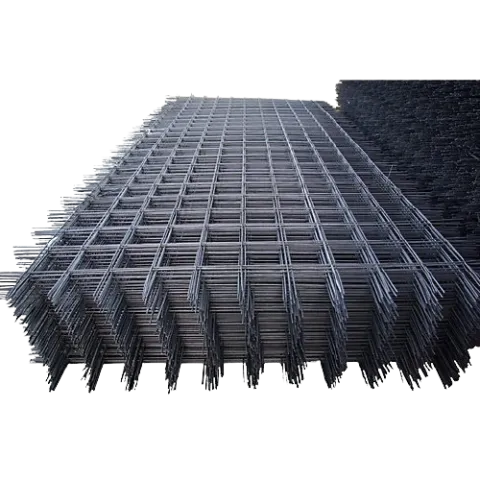
In construction, wire mesh is one of the most important materials, especially for concrete floors, walls and large infrastructure projects. Wire mesh, a grid of steel wires, serves as concrete reinforcement that improves the durability and stability of a structure. But do you know how wire mesh goes from raw material to the product we know today? Let's take a closer look.
1. Selecting the Raw Material
Making wire mesh starts with choosing quality raw material. The main material is usually low-carbon steel, because it is highly durable yet stays flexible when formed into a mesh. This steel also has some corrosion resistance, which can be strengthened with a galvanized coating.
2. Wire Drawing
Once the raw material is chosen, the next stage is wire drawing. The goal is to produce steel wire of a specific diameter for making the wire mesh. The process passes steel rod through a series of dies to reduce its diameter to the size required.
3. Cutting the Wire
Once the wire reaches the right diameter, it is cut to specific lengths according to the size of the wire mesh to be made. Automatic machines do the cutting and produce precise pieces, so every part of the wire mesh has a uniform size.
4. Welding
Welding is one of the most important stages in making wire mesh. The cut wires are laid out in a grid pattern and then welded automatically with an electric welding machine using the spot welding technique. This ensures that every wire crossing is firmly joined and does not come apart easily.
5. Coating and Protecting the Wire Mesh
To make the wire mesh more resistant to corrosion, some types get extra protection in the form of a galvanized coating or a PVC coating. Galvanizing is done by dipping the wire mesh into hot liquid zinc, which gives extra protection against rust.
6. Quality Testing
Before it goes to market, wire mesh must pass various quality tests, such as:
- Tensile Strength: Tests how well the wire mesh withstands pressure.
- Corrosion Resistance: Measures how well the wire mesh holds up in damp, corrosive environments.
- Dimensions and Mesh Uniformity: Makes sure the size and the spacing between wires meet industry standards.
7. Packaging and Distribution
After passing quality tests, the wire mesh is packaged in rolls or sheets according to market needs. It is then sent to construction projects, small and large, to reinforce concrete structures.
Advantages of Wire Mesh in Construction
Wire mesh has many advantages that make it a top choice in construction, including:
- Speeds Up Construction: Because it comes as a ready-to-use mesh, wire mesh saves installation time compared with conventional rebar.
- High Durability: With precise welding techniques, wire mesh bonds strongly with concrete.
- Flexible Use: Wire mesh can be used in many kinds of projects, from housing to heavy infrastructure such as roads and bridges.
With these advantages, wire mesh is an ideal solution for modern construction needs. If you are looking for high-quality wire mesh for your project, contact Sinar Jaya Steelindo and get the best products at competitive prices.