6 Things to Know Before Using Freight Forwarder Services
Before using freight forwarder services, learn what a forwarder does and how to judge reputation, hidden costs, network reach and cargo insurance.

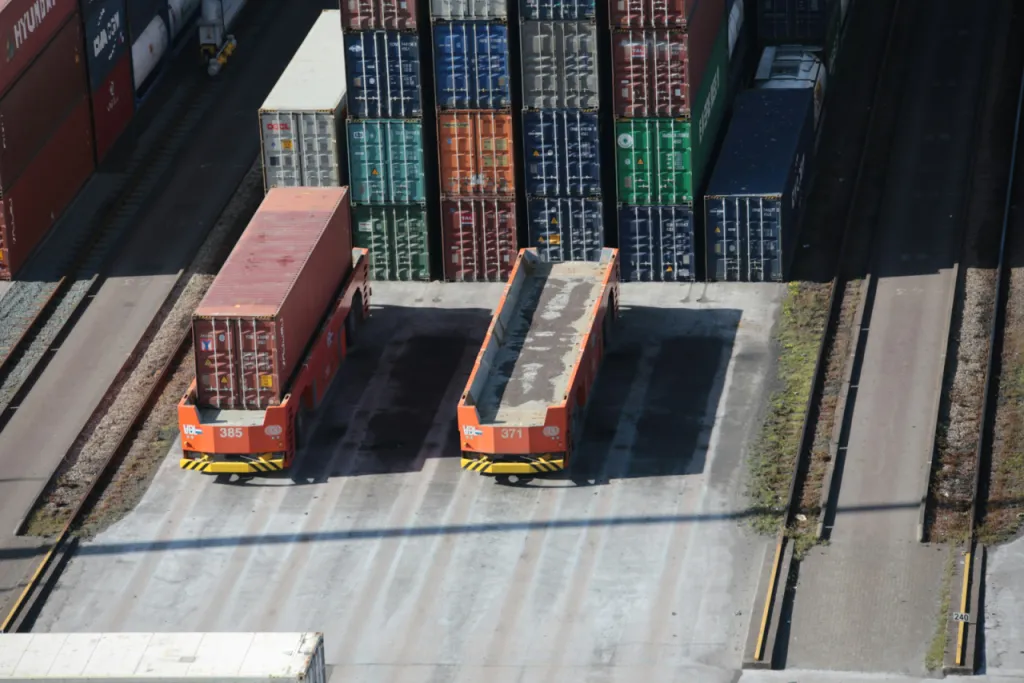
Out on the wide ocean, where the wind blows at full strength, ships large and small sail toward a fixed destination. Like your business, these ships have to face waves and storms to reach the port they want. Before you decide to use a freight forwarder, there are a few things you need to know. Like a captain in full command of his ship, you also need a clear understanding of the journey ahead.
1. Understand What a Forwarder Does: Your Business Navigator
A forwarder is like a navigator on the sea of international trade. A forwarder is not just a shipper of goods but also a traffic controller across the vast ocean of logistics. Their tasks cover route planning, document handling and making sure your goods arrive safely at their destination. Like a guide who knows the terrain well, a good forwarder will help you steer through the challenges you may face, from customs problems to shipping delays.
According to research published in the Journal of Supply Chain Management, a competent forwarder can help businesses cut logistics costs by up to 20% by choosing the most efficient routes and shipping methods. You need to understand their important role in making sure your goods arrive on time, without unnecessary obstacles.
2. Check the Forwarder's Reputation: Don't Set Sail Without a Map
Before you entrust your valuable goods to a forwarder, it is important to know their reputation. A captain would not sail without a clear map, and in the same way you should research the forwarder you plan to use. Their reputation in the logistics world can indicate how well they handle the tasks they are given.
Some forwarders may have a strong reputation in one region but less experience in others. This matters because it affects their ability to handle complex international shipments. You can ask friends or colleagues for references, or check online reviews to get a better picture of the services they offer. A study by Harvard Business Review indicates that forwarders with a good reputation tend to be more reliable in meeting deadlines and maintaining service quality.
3. Hidden Costs: Avoiding the Invisible Traps
In the world of logistics there is a saying: "A cheap price often comes with extra costs you cannot see." When you look for a forwarder, make sure you do not fall into the trap of hidden fees. Like a mine hidden beneath the surface of the sea, hidden costs can suddenly appear and hit your budget.
Be sure to ask about every cost that might arise, from document handling and customs duties to insurance. According to a report from Global Trade Magazine, many small and medium-sized businesses suffer heavy losses because they do not understand the fee structure a forwarder charges. Transparency is the key here. A good forwarder will clearly explain every cost tied to your shipment, with no surprises at the end.
4. International Network: Making Sure the Route Is Safe
Just as a safe route at sea requires knowledge of water conditions in different regions, a forwarder must have a strong international network. This network matters because it lets your goods cross various borders and reach their destination without obstacles.
A forwarder with a wide network is better able to handle situations that can arise during shipping, such as customs problems, delays or even port holdups. According to data from the World Trade Organization, forwarders with a strong international network tend to have a higher shipment success rate and to resolve problems in the field faster.
5. Shipment Security: Protecting Your Treasure
The goods you ship are priceless treasure, and like any valuable treasure they must be guarded with tight security throughout shipping. A good forwarder will offer insurance solutions that protect your goods from damage or loss in transit.
Make sure you understand the insurance policy on offer and what it covers. Like a shield against attack, this insurance is important for avoiding financial loss if anything unwanted happens during shipping. According to a study by the Insurance Information Institute, companies that insure their goods tend to be better protected and to recover faster from losses caused by unexpected incidents.
6. Choose the Right Partner: Rapidstar Logistics
On your business journey, choosing the right partner is the key to reaching your goal successfully. Like a captain who picks a reliable crew, you also need to be selective when choosing a forwarder. Rapidstar Logistics comes as a China freight forwarder service that not only offers quality service but also understands your needs in facing the challenges of international logistics.
Rapidstar Logistics has a good reputation for handling shipments from China to Indonesia, with a strong network and proven expertise. It understands the ins and outs of the shipping process well and can deliver efficient, safe service. Like an experienced sailor, it is ready to help you cross the global seas safely and smoothly.
Conclusion: Prepare Everything Before You Set Sail
Using a freight forwarder is an important decision that can affect your business's success in the international market. Before you begin this journey, make sure you understand every related aspect, from the role of the forwarder and its reputation to the costs involved and the security of your shipment. Like a captain who checks every preparation before sailing, you also need to make sure everything has been carefully considered.
With the right partner, such as Rapidstar Logistics, you can face the ocean of globalization with more confidence, knowing you have a reliable navigator at your side. Taking wise steps before you begin the journey is the key to reaching your goal successfully and keeping your business afloat in increasingly tough global competition.